
Four YouTube Influencers Decode Microsoft's 'Nightmare Eclipse' Dumpster Fire
This week, we recognize four cybersecurity influencers on YouTube who skillfully unpacked the war between Microsoft and "Nightmare Eclipse."
This week, we recognize four cybersecurity influencers on YouTube who skillfully unpacked the war between Microsoft and "Nightmare Eclipse."

Zero Trust was designed to control people and machines. The rise of autonomous AI agents is forcing security teams to extend those same principles to software capable of making decisions and taking action on its own. (Includes infographic)
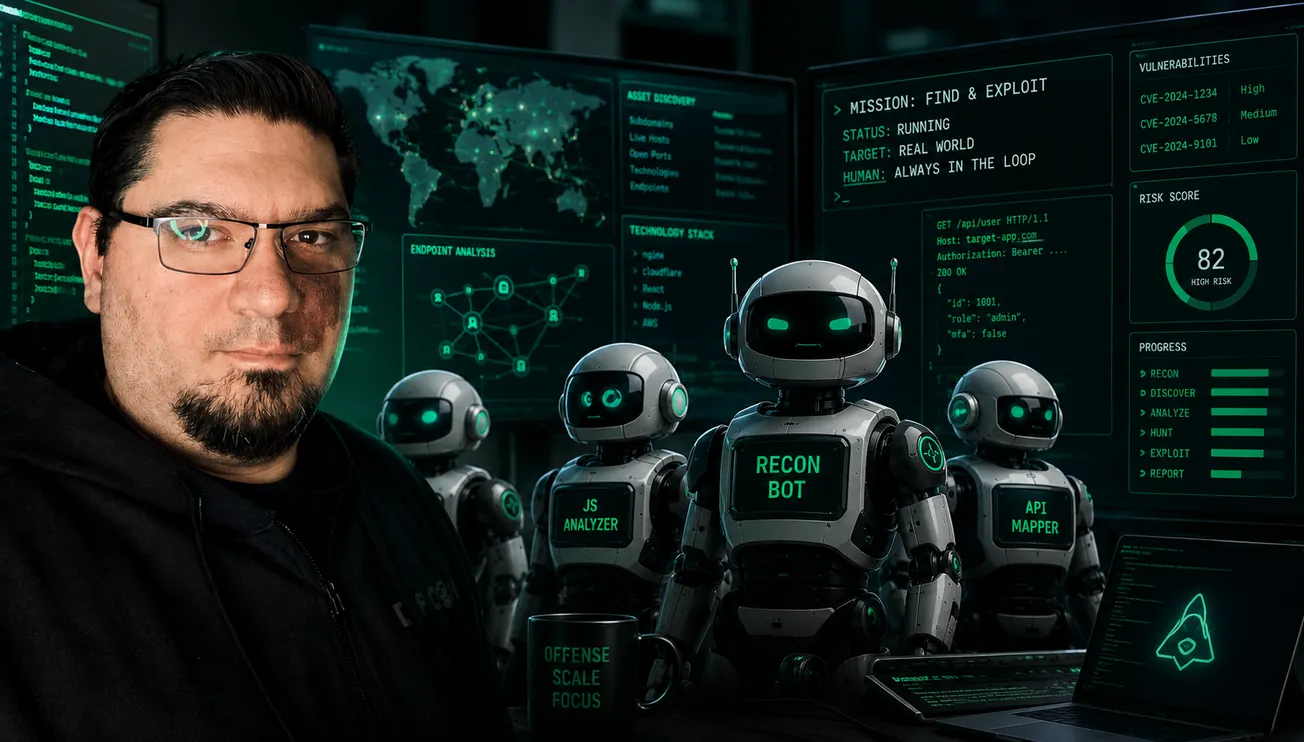
At CYBR.HAK.CON, Jason Haddix showed how AI-powered "hackbots" are helping offensive security teams scale reconnaissance, analyze complex applications, and uncover real vulnerabilities, while proving that human expertise remains the deciding factor.
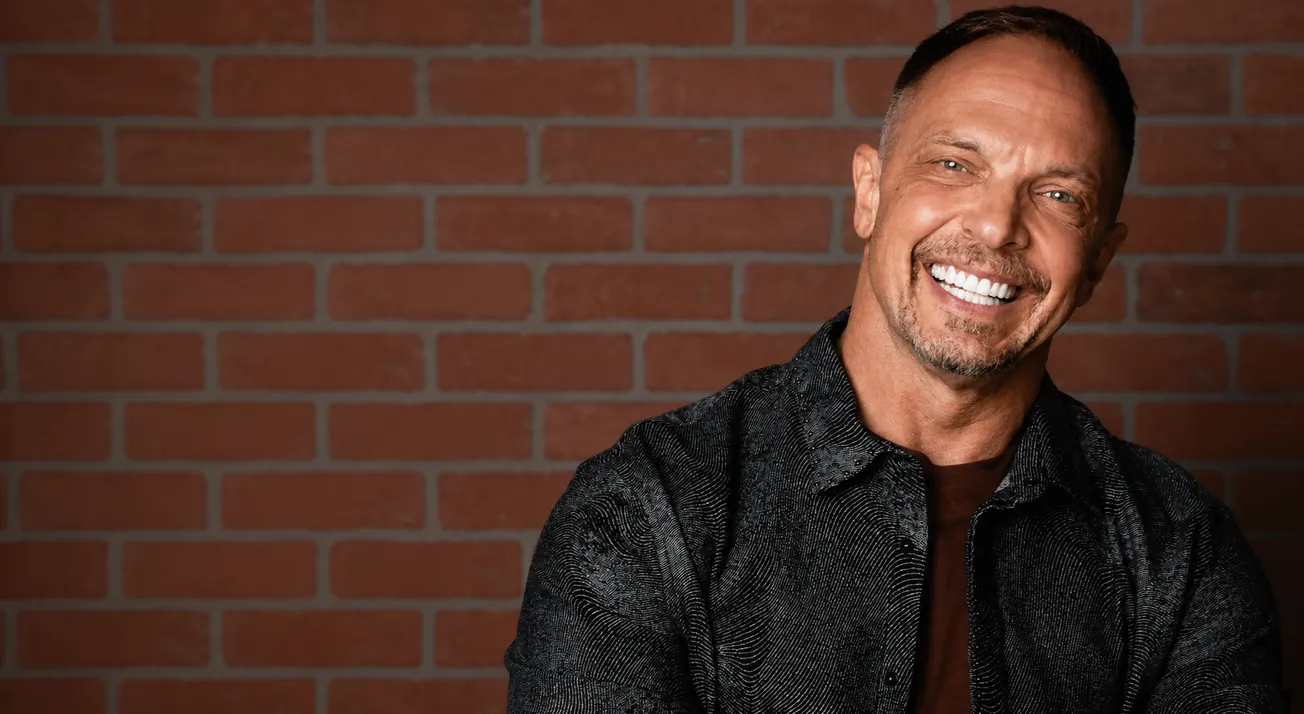
Dr. Eric Cole's cybersecurity accomplishments are legendary, but his willingness to speak openly about burnout is something that particularly resonated with me, as it is something many of us struggle to avoid.
AI may be making deception easier, but Dustin "Wirefall" Dykes argues that human connection -- not technology -- is the most effective defense against a future where reality itself becomes increasingly difficult to verify.
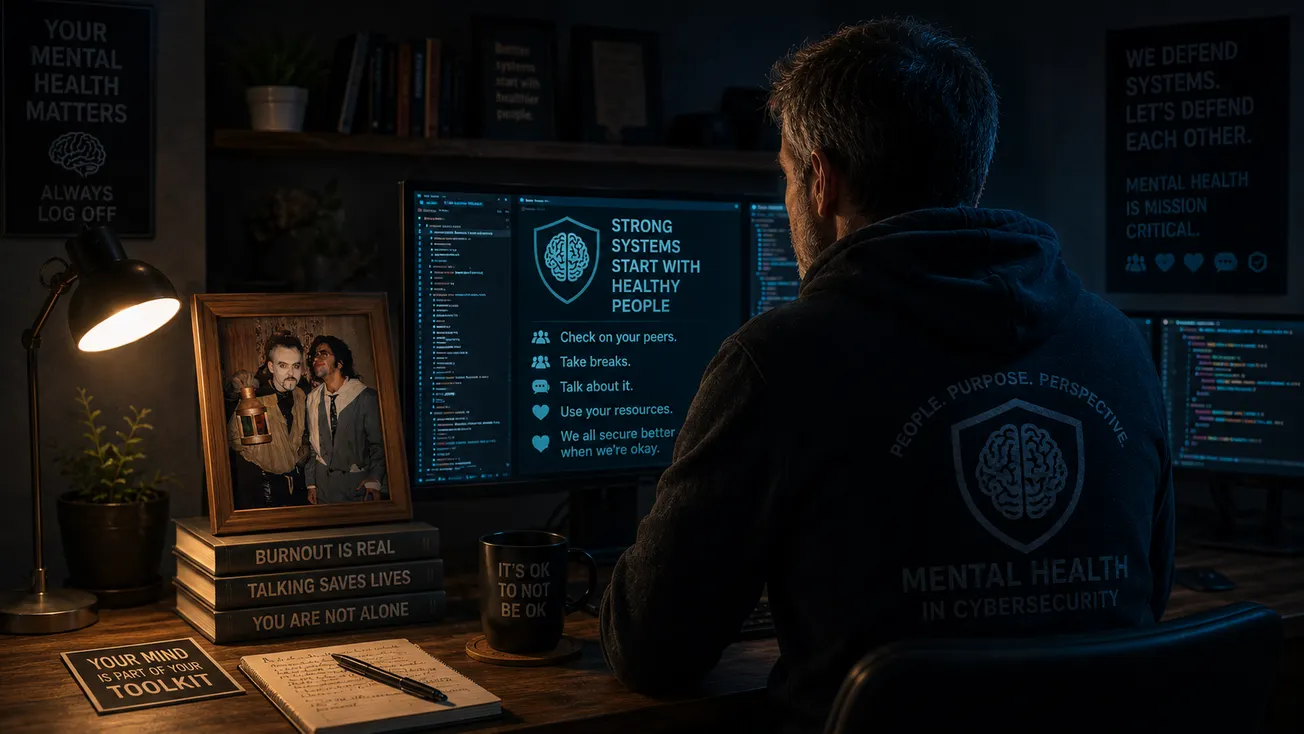
Thirty years after Sean Marley died, I realize that my focus on mental health in cybersecurity started with him. This is a belated thank you to him for helping me strive for something better. He wasn't a hacker. But he sure as hell was one of us.
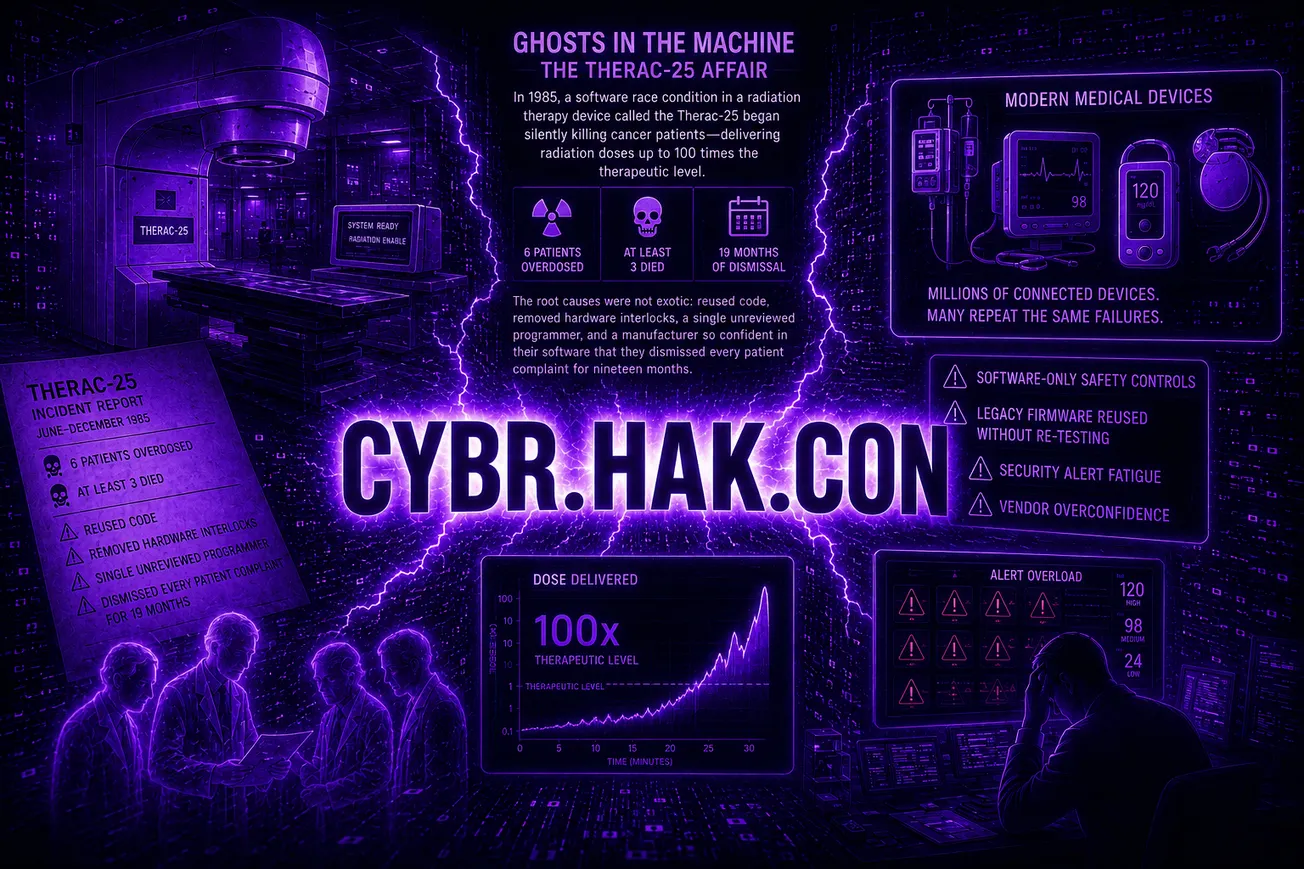
Sean Satterlee’s CYBR.HAK.CON. presentation used the deadly Therac-25 radiation overdoses to expose how modern connected medical devices still repeat many of the same dangerous cybersecurity and safety failures.
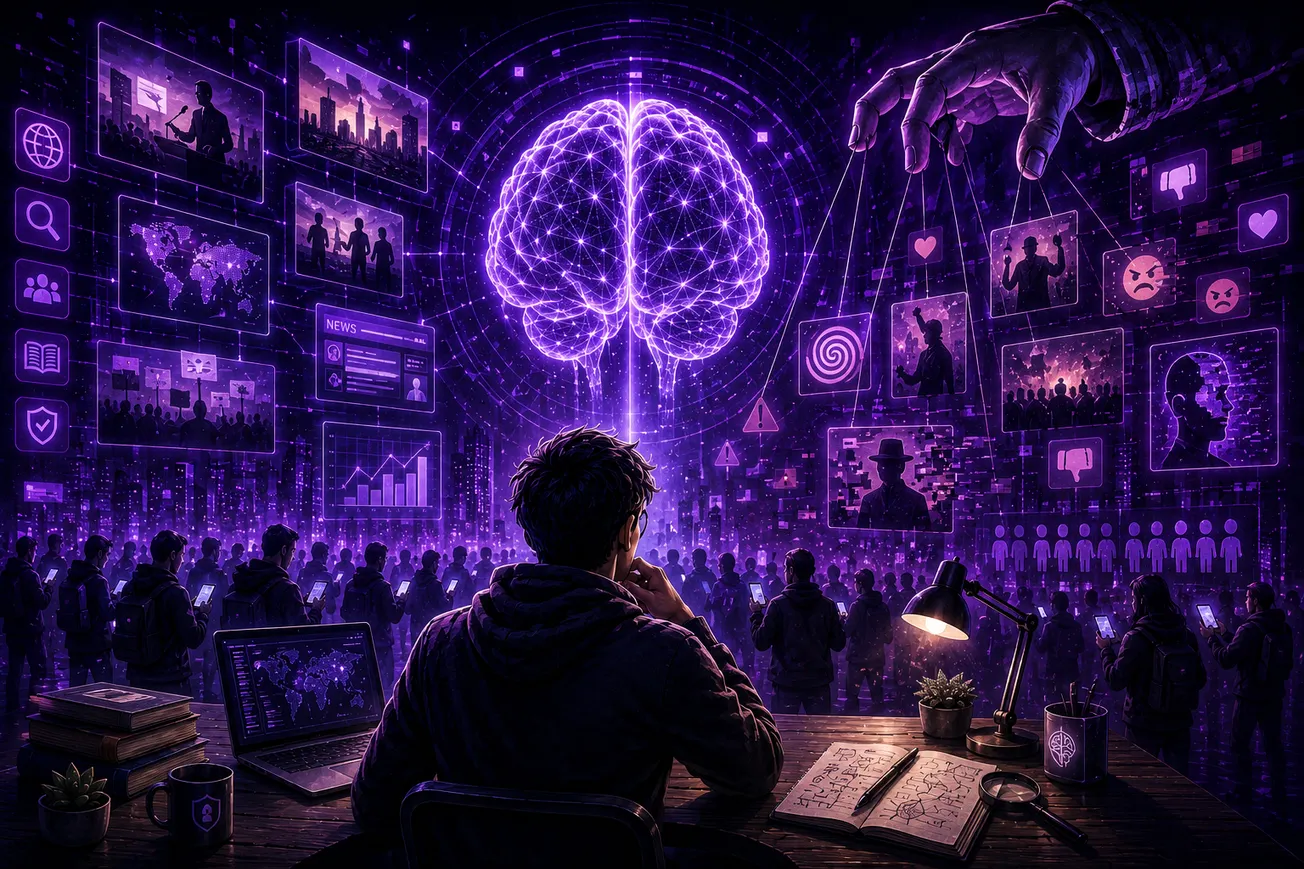
Stephen Cravey’s “A Brief Introduction to Cognitive Warfare” explores how modern influence operations exploit human psychology, identity, emotion, and social dynamics much like attackers exploit vulnerabilities in technical systems.

A replica of WOPR, built for HouSecCon 2015's WarGames theme, has become a fan favorite at CYBR.SEC.Community events -- a fixture that taps into the hacker nostalgia and cautionary spirit of the 1983 film.
Built by the team behind HOU.SEC.CON. (now CYBR.SEC.CON.) and partnered with renowned penetration tester Phil Wylie, CYBR.HAK.CON. aims to reconnect cybersecurity conferences with their grassroots hacker culture through hands-on training, community collaboration, and practitioner-first experiences.

The new version of CYBR.SEC.Media puts community voices, practitioner insight, podcasts, videos, and visual storytelling front and center.

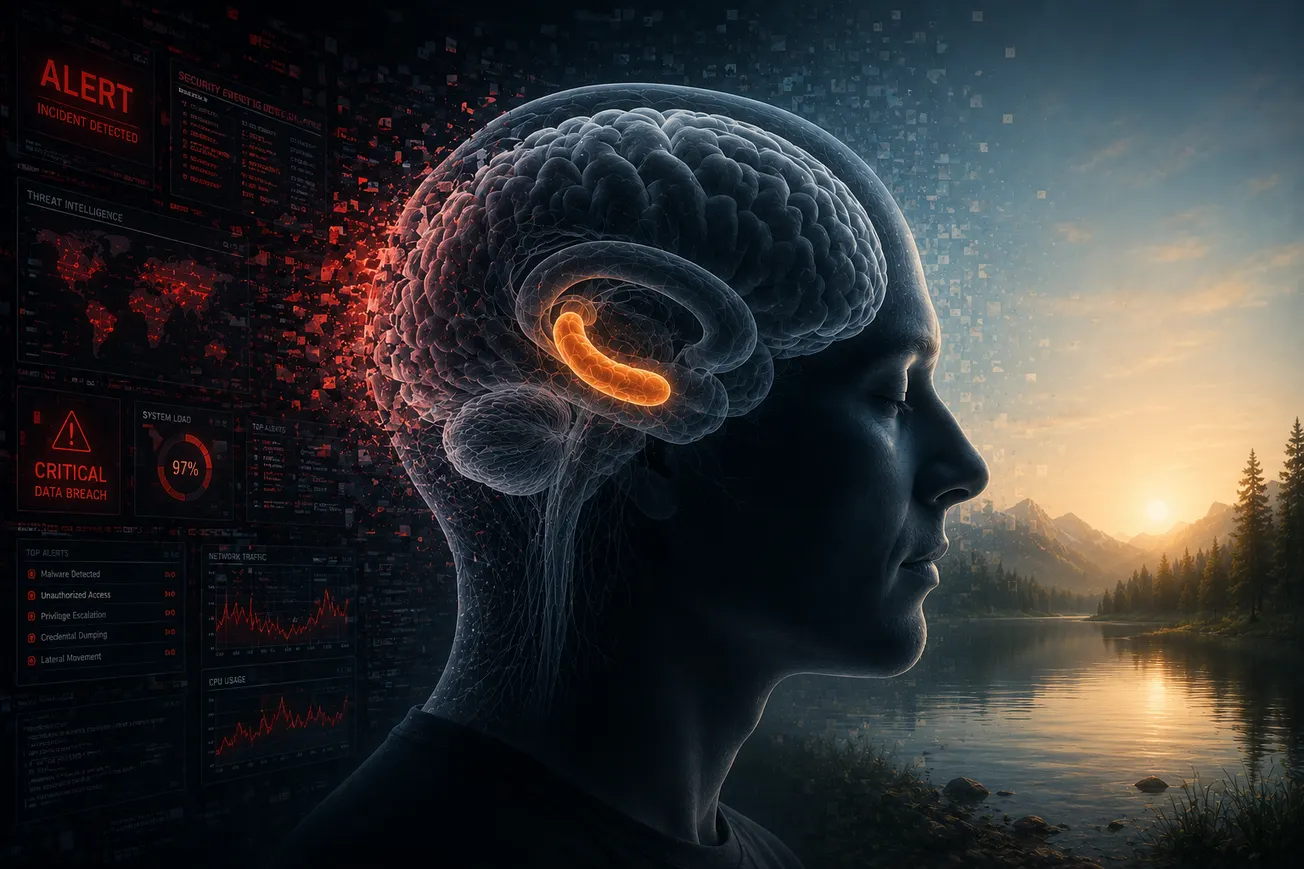
Information overload, cognitive warfare, and nonstop digital noise are turning human attention into a vulnerable attack surface.
From SOC burnout and alert fatigue to resilience and psychological sustainability, these five cybersecurity mental health articles helped shape one of the industry’s most important conversations.
In this week's CYBR.SEC.Media newsletter: preview of CYBR.HAK.CON, why traditional Level 1 SOC operations are breaking down under modern threat pressure, and where cybersecurity professionals can find mental health support built for the realities of the job.
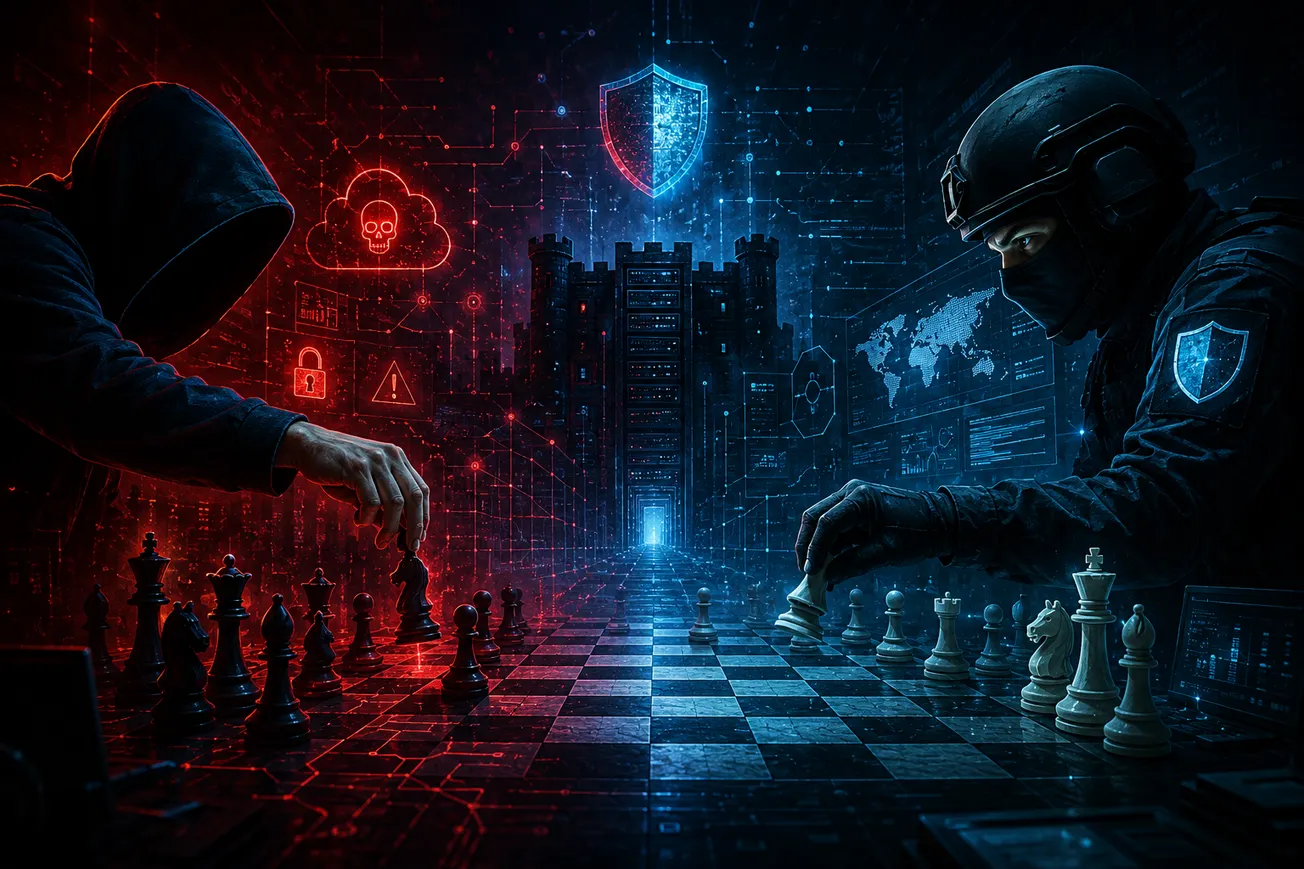
Medin covers the evolution of penetration testing and why defenders need to stop relying solely on compliance checklists and start thinking like attackers.
Here are several organizations and initiatives dedicated to mental health for security professionals.